Park View, Victoria Way and occasionally Lavender Grove surgery will close for an afternoon if staffing pressures or to avoid lone working. See our monthly News Post with more details of specific opening hours.
ReSPECT stands for Recommended Summary Plan for Emergency Care and Treatment. The ReSPECT process creates a personalised recommendation for your clinical care in emergency situations where you are not able to make decisions or express your wishes. ReSPECT forms have now been introduced in York and will be replacing DNACPR forms over the next few months. A paper copy with stay with a patient at their address and an electronic version will be added to the patient records.
EASY READ Easy read information for patients, parents, partners and families
This plan can be for anyone, but will have increasing relevance for people who have complex health needs, people who are likely to be nearing the end of their lives, and people who are at risk of sudden deterioration or cardiac arrest. Some people will want to record their care and treatment preferences for other reasons.
How does a ReSPECT plan work?
The plan is created through conversations between you and your health professionals. The plan stays with you and should be available immediately to health professionals called to help you in an emergency, whether you are at home or being cared for elsewhere. Professionals such as ambulance crews, out-of-hours doctors, care home staff and hospital staff will be better able to make quick decisions about how best to help you if they can see your ReSPECT plan in an emergency.
Who makes the recommendations?
The ReSPECT process is designed to support conversations between you and your health professionals (and other people important to you) in order to understand your priorities of care and use those to develop an agreed plan that records what types of care or treatment.
It is important to understand that the ReSPECT plan cannot be used to demand treatments that are not likely to benefit you and would not be offered.
In an emergency where you are not able to say what is important to you, clinical decisions will be made by health professionals trying to act in your best interests and for your benefit.
Why is this available?
In an emergency, health or care professionals may have to make rapid decisions about your treatment, and you may not be well enough to discuss what is important to you. This plan empowers you to guide them on what treatments you would or would not want to be considered for, and to have recorded those treatments that could be important or those that would not work for you. Many treatments that can be life-sustaining for some people carry a risk of causing harm, discomfort or loss of dignity. Many people choose not to accept that risk if the likelihood of benefit from treatment is small. This plan is to record your preferences and agreed realistic recommendations for emergency situations, whatever stage of life you are at.
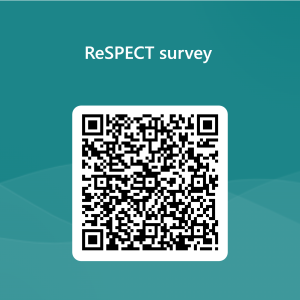
ReSPECT survey
The views of patients and carers are very important to this work. We would therefore be grateful if you would take a few minutes to complete this ICB survey. Please do not put your name on this form. It will be used anonymously to help us evaluate the work the Humber and North Yorkshire Health and Care Partnership are doing.
If you would like to check your vaccination records, many patients can do this on their NHSapp or SystmOne account (via Airmid app).
We are doing our best to respond to the number of queries but please be patient as we have received a lot of online requests and calls about meningitis B vaccination this week.
Thank you.
We understand there is a lot of concern and confusion around Meningitis B - we are receiving a lot of queries about Men B vaccination so have put together some FAQs:
Meningitis B vaccine:
> Only offered to children between 8 weeks and 2 years of age who are due the vaccine as per national vaccine schedule (which was introduced in 2015)
> Patients without a spleen are also offered vaccination
> Those in ‘at risk’ areas with outbreaks will be contacted by Public Health
> University Students – only option is to seek privately
> University workers need to discuss with their employer
Meningitis ACWY Vaccine:
> Usually given in Year 9/10 at school
> If you are not vaccinated and between 16-25yrs we can arrange a routine nurse appointment for a vaccination (must be before the 25th Birthday)
> If you are unvaccinated and missed the vaccination at school (and <16yrs) please contact the school vaccination team as we cannot give the vaccine to this age group.
> People aged over 25 who are close contacts of patients who have meningitis ACW or Y will be informed by Public Health if they need to be vaccinated.
We cannot give any routine vaccinations privately at PMG - if you are keen to explore this, please look at other providers.
The most important thing is to be vigilant regarding the symptoms of meningitis and if you suspect meningitis or sepsis, seek emergency medical input via 999 or A&E.
If you’re unsure about meningitis and how to protect yourself, this blog is really helpful ⤵️
https://ukhsa.blog.gov.uk/2025/10/31/what-is-meningitis-symptoms-risks-and-how-to-protect-yourself/